Embark on a journey into the world of Growth Stocks and Risk Management, where opportunities and pitfalls await those seeking financial growth and stability. Explore the strategies and insights that can help investors navigate this dynamic landscape with confidence and foresight.
Discover the key principles behind growth stocks, the importance of risk management, and how to make informed decisions that align with your investment goals.
Growth Stocks
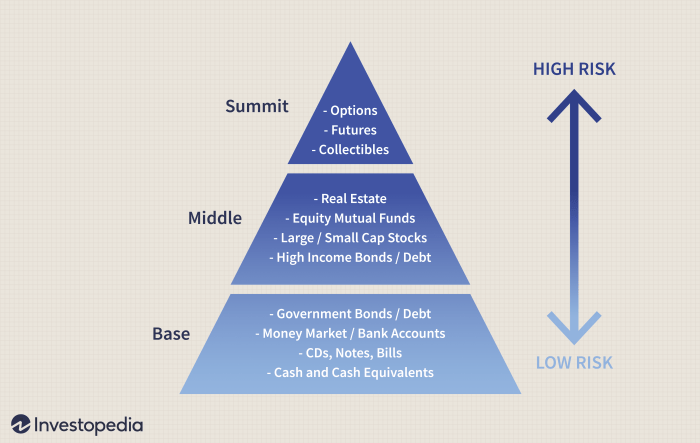
Growth stocks are shares of companies that are expected to grow at an above-average rate compared to other companies in the market. These companies typically reinvest their earnings back into the business to fuel expansion, rather than paying out dividends to shareholders. Growth stocks often have high price-to-earnings (P/E) ratios, as investors are willing to pay a premium for the potential of future growth.
Examples of Growth Stocks
- Amazon (AMZN): Known for its dominance in e-commerce, cloud computing, and other innovative ventures.
- Netflix (NFLX): A leading streaming service provider that has disrupted the entertainment industry.
- Tesla (TSLA): Pioneering electric vehicle manufacturer with a focus on sustainability and innovation.
Characteristics of Growth Stocks
- Strong historical and projected earnings growth.
- Innovative products or services with a competitive advantage.
- Expanding market share and industry leadership.
- High-quality management team with a clear growth strategy.
Risks of Investing in Growth Stocks
- Volatility: Growth stocks can experience sharp price fluctuations due to market sentiment and changing growth prospects.
- Valuation Concerns: High P/E ratios may lead to overvaluation, making the stock vulnerable to corrections.
- Competition: Rapidly evolving industries can attract new competitors, impacting the growth trajectory of the company.
- Regulatory Changes: Government regulations or industry shifts can affect the growth potential of certain companies.
Risk Management Strategies for Growth Stocks
When investing in growth stocks, it is crucial to implement effective risk management strategies to protect your investment and maximize returns. Here are some common risk management techniques tailored for growth stocks:
Diversification to Mitigate Risks
Diversifying your portfolio by investing in a variety of growth stocks across different sectors can help reduce the impact of volatility in any single stock. By spreading your investments, you can potentially offset losses in one stock with gains in another, thus minimizing overall risk.
Setting Stop-Loss Orders
Setting stop-loss orders is essential when investing in growth stocks to limit potential losses. A stop-loss order automatically sells a stock when it reaches a predetermined price, protecting your investment if the stock price experiences a sudden decline. This risk management tool helps prevent emotional decision-making and ensures you stick to your investment strategy.
Utilizing Fundamental Analysis
Conducting thorough fundamental analysis on growth stocks can provide valuable insights into a company’s financial health, growth potential, and competitive position. By analyzing key financial metrics, such as revenue growth, earnings per share, and debt levels, investors can make informed decisions and manage risks associated with investing in growth stocks.
Volatility in Growth Stocks

Investing in growth stocks can be exciting due to their potential for high returns, but it also comes with a level of risk, primarily driven by volatility. Volatility refers to the fluctuation in a stock’s price over a period of time, and it can have a significant impact on investor decisions.
Effect of Volatility on Growth Stocks
Volatility in growth stocks can lead to rapid price changes, making them more unpredictable and risky compared to other types of stocks. This can either result in substantial gains or significant losses for investors, depending on market conditions and stock performance.
- Increased volatility can make it challenging for investors to accurately gauge the value of growth stocks, leading to more frequent buying and selling decisions.
- Market conditions such as economic indicators, geopolitical events, or industry trends can influence the volatility of growth stocks, causing prices to fluctuate rapidly.
- Investors need to carefully monitor and manage volatility in growth stocks to protect their investments and optimize returns.
Tools for Monitoring and Managing Volatility
There are various tools and indicators that investors can use to track and manage volatility in growth stocks:
- Historical volatility: Examining past price movements can provide insights into how volatile a stock has been in the past, helping investors anticipate potential future fluctuations.
- Beta coefficient: This metric measures a stock’s sensitivity to market movements, with a beta greater than 1 indicating higher volatility compared to the overall market.
- Volatility indexes: Indices such as the VIX can offer a broader view of market volatility, helping investors assess the overall risk environment.
Comparison with Other Stocks
Compared to value or dividend stocks, growth stocks tend to exhibit higher levels of volatility due to their rapid growth potential and market expectations. While growth stocks can offer significant returns, investors need to be prepared for the increased risk associated with their volatility.
Long-Term vs. Short-Term Investment Strategies
In the world of growth stocks, investors often face the decision of whether to adopt a long-term investment approach or a short-term trading strategy. Each approach comes with its own set of advantages and disadvantages, as well as differences in risk management.
Advantages and Disadvantages of Long-Term Investment for Growth Stocks
Long-term investment in growth stocks involves holding onto these stocks for an extended period, typically years, to allow for substantial capital appreciation. One of the main advantages of this approach is the potential for significant returns as the company grows and expands over time. Additionally, long-term investors benefit from reduced trading fees and taxes compared to frequent trading.
However, a major disadvantage of long-term investment is the lack of liquidity, as capital is tied up in the investment for an extended period. Long-term investors also face the risk of market downturns affecting their portfolio value over time.
Comparison of Short-Term Trading and Long-Term Investment Strategies
Short-term trading strategies involve buying and selling growth stocks within a short timeframe, often based on technical analysis or market trends. While short-term traders can capitalize on quick gains and market fluctuations, they also face higher trading costs and taxes. In contrast, long-term investment strategies focus on the fundamentals of a company and its growth potential over time.
Long-term investors prioritize the overall growth trajectory of a company, while short-term traders may be more focused on short-term price movements and market volatility.
Risk Management in Long-Term vs. Short-Term Investment for Growth Stocks
Risk management differs between long-term and short-term investment horizons for growth stocks. Long-term investors often have a more passive approach to risk management, relying on diversification and fundamental analysis to mitigate risks over time. On the other hand, short-term traders may utilize stop-loss orders and technical indicators to manage risk on a more immediate basis.
Real-World Examples of Successful Investment Approaches
One notable example of successful long-term investment in growth stocks is Warren Buffett’s approach to investing in companies with strong fundamentals and long-term growth potential, such as Coca-Cola and Apple. In contrast, successful short-term trading strategies can be seen in the practices of day traders who capitalize on intraday price movements to generate profits.
In conclusion, mastering the art of balancing growth stocks and risk management is essential for achieving long-term financial success. By understanding the strategies Artikeld here, investors can position themselves strategically in the market and capitalize on opportunities while safeguarding their investments from potential downsides.
Detailed FAQs
What are growth stocks?
Growth stocks are shares in a company that is expected to grow at an above-average rate compared to other companies in the market.
How can diversification help mitigate risks in a growth stock portfolio?
Diversification involves spreading investments across different assets to reduce the impact of risk on the overall portfolio.
Why is setting stop-loss orders important when investing in growth stocks?
Stop-loss orders help investors limit potential losses by automatically selling a stock when it reaches a predetermined price.
How does volatility affect growth stocks and investor decisions?
Volatility can lead to rapid price fluctuations in growth stocks, influencing investor sentiment and trading decisions.
What are the key differences between long-term and short-term investment strategies for growth stocks?
Long-term strategies focus on holding investments for an extended period, while short-term strategies involve buying and selling stocks quickly to profit from short-term price movements.


